

When Bedtime Becomes a Battle: Real Solutions from Irish Mums
If you’re reading this at 10 PM while your toddler is still bouncing around upstairs, take a deep breath. You’re not alone, and you’re definitely not doing anything wrong. Every mum in Ireland has been there—that moment when your previously perfect sleeper suddenly decides bedtime is optional.
Sarah from Cork knows this feeling all too well: “My three-year-old was sleeping through the night beautifully, then one day she just… stopped. Every bedtime became a two-hour ordeal of tears, demands for water, and endless ‘one more story’ requests.”
Sound familiar? Let’s dive into why this happens and, more importantly, what actually works to get everyone back to peaceful nights.
The Real Reasons Behind Bedtime Resistance
Before you blame yourself or wonder if you’ve somehow “broken” your child’s sleep, understand that sudden bedtime resistance is incredibly common. There are usually clear developmental reasons behind it.
Separation Anxiety Spikes: Around 18 months and again around 3-4 years, children go through intense periods where being apart from mum feels overwhelming. Nighttime, when everything goes quiet and dark, can trigger these feelings most strongly.
Testing New Independence: Your toddler has discovered they have opinions and the power to express them. Bedtime becomes the perfect testing ground for this newfound autonomy—they’re literally learning they can say “no” and see what happens.
Big Changes and Stress: Starting creche, a new baby, moving house, or even smaller changes like switching bedrooms can disrupt sleep patterns. Children often process stress through sleep resistance.
Developmental Leaps: When your child’s brain is working overtime learning new skills—whether that’s talking, potty training, or problem-solving—it can be harder for them to wind down at night.
What Irish Mums Say Actually Works
We asked MagicMum community members to share their tried-and-tested solutions. Here’s what really made a difference in their homes:
The “Boring Parent” Approach: Lisa from Dublin swears by this: “I made myself the most boring person in the world after bedtime. No engaging conversations, no eye contact during night wake-ups, just gentle but firm redirecting back to bed. It took a week, but it worked.”
Earlier Bedtime, Not Later: This seems counterintuitive, but many mums found that moving bedtime 15-30 minutes earlier helped. Overtired children often fight sleep harder than well-rested ones.
The “Bedtime Basket”: Maria from Galway created a special basket with three comfort items her son could choose from at bedtime—a small toy, a book, and a comfort cloth. “Giving him that choice made him feel in control, and the battles stopped almost immediately.”
Creating a Calming Environment That Works
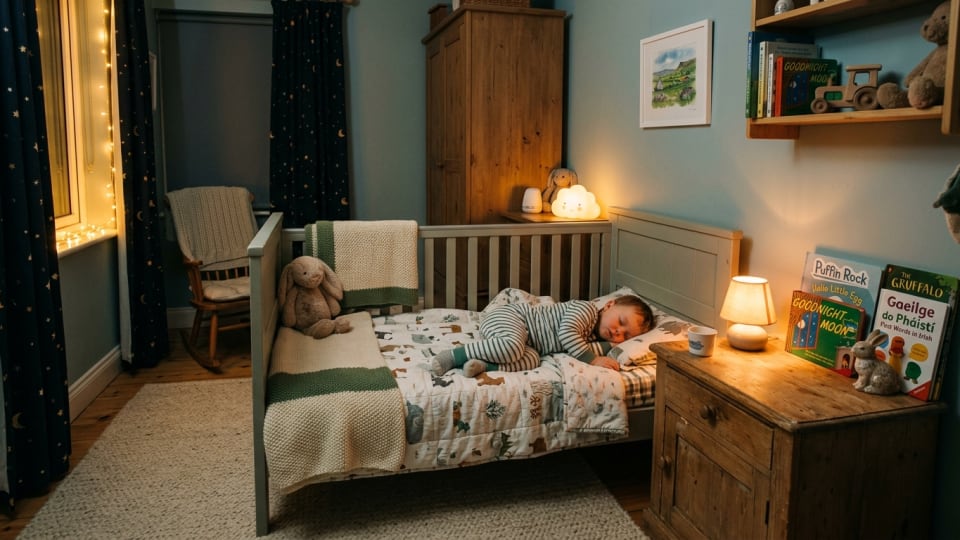
Your child’s bedroom environment plays a huge role in successful bedtimes. Small changes can make a big difference:
Lighting Matters: Invest in blackout curtains and a small nightlight. The room should be dark enough to encourage sleep but not so dark that it feels scary.
Temperature Check: A slightly cool room (around 16-18°C) promotes better sleep. Many Irish homes run too warm in winter with the heating on.
Comfort Objects: Don’t underestimate the power of a special teddy or blanket. These transitional objects help children feel secure when separated from you.
White Noise or Gentle Music: Consistent, quiet background noise can help mask household sounds and create a sleep association.
Adjusting Your Bedtime Routine
Sometimes the issue isn’t resistance—it’s that your routine needs tweaking as your child grows:
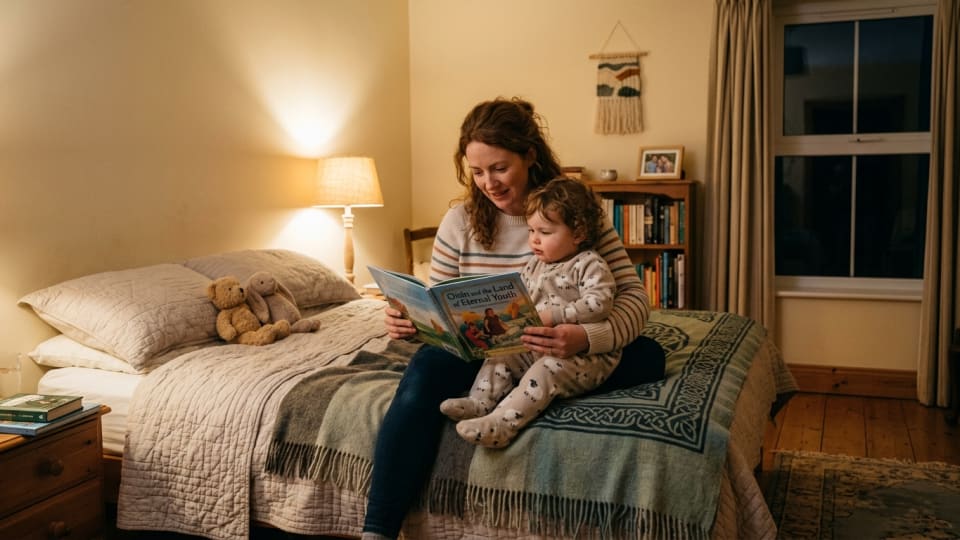
The 30-Minute Wind-Down: Build in proper transition time. Bath, quiet play, story, then bed works better than rushing from dinner straight to sleep.
Consistency is Key: Try to keep the same order of events each night, even if timings vary slightly. Children find comfort in predictable patterns.
Include Connection Time: Spend 10-15 minutes of focused, calm time together before sleep. This fills your child’s “connection cup” and can prevent attention-seeking behaviors at bedtime.
When to Worry (and When Not To)
Most bedtime battles are normal developmental phases that pass within 2-6 weeks. However, consider speaking to your GP or public health nurse if:
• Sleep resistance continues for more than two months • Your child seems genuinely distressed or fearful (not just stubborn) • There are significant changes in appetite or behavior during the day • Night terrors or frequent nightmares begin • You notice physical symptoms like headaches or tummy aches
Remember, Irish parents have access to excellent support through public health nurses and family resource centers if you need additional guidance.
Real Talk: It’s Hard on You Too
Let’s be honest—bedtime battles are exhausting for parents. You’re dealing with your own tiredness, frustration, and possibly guilt about not handling things “perfectly.”
Anna from Limerick reminds us: “I spent weeks thinking I was failing as a mum because bedtime was so difficult. Then I realized every mum I knew was going through the same thing. It’s just part of parenting, and it does get easier.”
Take care of yourself during this phase. Tag in your partner when possible, accept help from family, and remember that consistency doesn’t mean perfection. Some nights will be harder than others, and that’s completely normal.
Tonight’s Action Plan
Ready to try something new tonight? Start small:
1. Move bedtime 15 minutes earlier if your child seems overtired
2. Add one calming element to the bedroom (dimmer lights, soft music, or a comfort object)
3. Practice being “boring” after lights out—minimal interaction, gentle but firm boundaries
4. Stay consistent for at least a week before deciding if it’s working
Most importantly, remember that this is a phase. Your child will sleep through the night again. You’re not doing anything wrong, and you’re certainly not alone in this struggle.
Sweet dreams are coming, mama. Hold on just a little longer.