
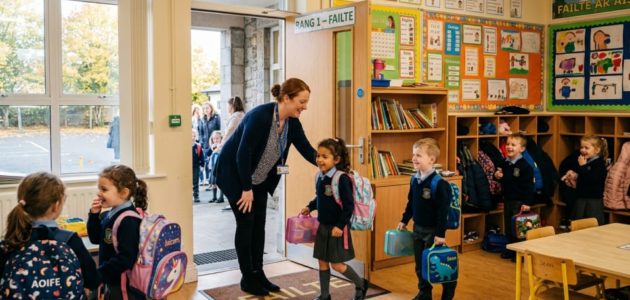
What Teachers Wish Every Parent Knew Before the First Day Back
September has a way of sneaking up on all of us. One moment it’s a sunny July afternoon and the next you’re frantically ironing name labels onto school uniforms at midnight. If you’ve ever wondered what goes on in a teacher’s mind as they prepare for that first morning back, the answer might surprise you — because what they wish for most has very little to do with perfectly packed pencil cases.
Teachers across Ireland quietly share the same hopes every year: that children arrive feeling calm, confident, and ready to settle in. And a lot of that, it turns out, starts at home in the days before the bell rings. Here’s a friendly heads-up on what those in the classroom genuinely wish more parents knew.
Run a Practice Mornings Before School Starts
This one comes up time and again. Teachers notice immediately which children have had a few practice runs at the morning routine — and which ones haven’t. Getting up at the right time, getting dressed, having breakfast, and getting out the door at a reasonable hour is a skill that needs a little rehearsal after two months off.
In the week before school returns, try setting the alarm closer to the school-day time and running through the morning as if it were real. It doesn’t need to be stressful — even a couple of relaxed practice mornings can make a huge difference to how settled your child feels on day one. Teachers are much better able to focus on learning when they’re not managing a room full of overtired, overwhelmed children who haven’t adjusted to early mornings yet.
Let Your Child Manage Their Own Bag and Lunchbox
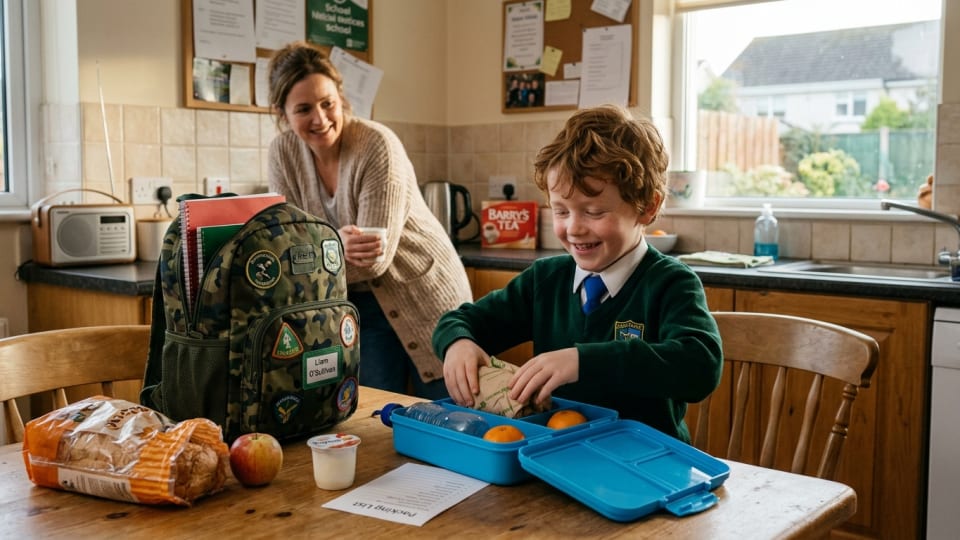
One of the most practical things you can do in the weeks before school returns is to make sure your child can open their own lunchbox, zip up their own bag, and find their belongings independently. This sounds small, but in a busy classroom it matters enormously.
Teachers genuinely want to help every child thrive, but when they’re managing 25 or 30 pupils, they simply can’t stop to open every yoghurt pot or untangle every bag strap at lunchtime. If your child struggles with a particular clasp or container, swap it out for something they can manage themselves. Practise at home. Let them pack and unpack their own bag a few times before the big day. The independence this builds gives children a real confidence boost too.
Have a Little Chat About Listening and Classroom Life
Teachers aren’t looking for children who sit in perfect silence — they’re looking for children who understand the basics of being part of a group. Before school starts, it’s worth having a gentle conversation at home about what being in a classroom actually means: taking turns to speak, listening when the teacher is talking, putting your hand up, and being kind to classmates.
You don’t need to make it a big formal talk. It can happen over dinner or on a walk. Something as simple as, “Remember how we listen when someone is speaking? That’s really important in school too,” can plant a meaningful seed. Children who have had these small conversations at home tend to settle into the rhythm of the classroom much more quickly.
Let the School Know If Something Has Changed at Home
This is perhaps the most important thing on this list, and yet it’s the one parents most often hesitate about. If something significant has happened at home over the summer — a bereavement, a separation, a new sibling, a house move, a period of illness, or anything else that may have unsettled your child — please let the school know.
Teachers are not there to judge your family situation. They genuinely want to understand the full picture so they can support your child properly. A brief note to the teacher or a quick word with the school secretary can make all the difference. You don’t need to share every detail — simply flagging that your child has had a tough few months is enough for a good teacher to keep a watchful, kind eye out.
Talk About School in a Positive, Calm Way
Children are wonderfully tuned in to how the adults around them are feeling. If there’s anxiety in the house about going back — whether it’s yours or theirs — they’ll pick up on it. That doesn’t mean pretending everything is perfect, but it does mean being mindful of how you talk about school in the lead-up to September.
Try to frame the new school year as an exciting adventure rather than something to get through. Talk about the friends they’ll see, the things they’ll learn, the lunches they’ll eat. If your child has specific worries, listen to them properly and take them seriously — but then gently offer reassurance. “It’s okay to feel nervous. Lots of children feel that way, and your teacher will look after you.” That kind of calm, steady message does more than you might think.
Sort the Practicalities Early — And Label Everything
Every teacher in Ireland has a quiet personal mission to reunite lost property with its rightful owner, and it is, to put it mildly, a thankless task. Labelling your child’s uniform, shoes, lunchbox, water bottle, and every single individual pencil and crayon is not excessive — it is genuinely, deeply appreciated.
Beyond labelling, try to sort out the uniform, stationery, and school supplies at least a week before school returns. Leaving it until the night before adds unnecessary stress to the whole family. A calm, prepared child who has their things ready and in order walks through the school door feeling capable — and that sets the tone for the whole day.
Trust the Teacher — And Let Them Know You Do
Finally, and perhaps most warmly: teachers thrive when they feel supported by the parents in their class. That doesn’t mean blind agreement on everything, but it does mean approaching the new school year with an attitude of partnership and goodwill.
If your child says something happened at school that worries you, it’s always worth checking in — but try to do so with an open mind rather than going in on the defensive. Teachers are professionals who care deeply about the children in their care. When parents and teachers work as a team, children feel it. They feel safe, they feel consistent, and they feel free to just be kids and get on with learning.
September is a big deal for everyone — children, parents, and teachers alike. A little preparation, a little communication, and a whole lot of warmth can make those first few days back something to look forward to rather than something to survive. You’ve got this — and so have they.