

What parents should know about school tour costs and budgeting
As the school year winds down, many parents find themselves facing a familiar challenge: the flurry of school tour permission slips landing in schoolbags, each with its own price tag attached. If you’re feeling that familiar knot in your stomach as you calculate the costs across multiple children, you’re certainly not alone.
School tours are wonderful opportunities for children to learn outside the classroom and create lasting memories with their classmates. However, the financial reality can be daunting, especially when several trips coincide or when budgets are already stretched thin.
The good news is that with some planning and open communication, you can navigate this season without breaking the bank or feeling overwhelmed by guilt.
Understanding typical school tour costs
School tour expenses can vary dramatically depending on the type of trip and your child’s age group. Day trips for younger classes typically range from €15 to €40 per child, covering transport and entry fees to local attractions like museums, farms, or activity centres.
For older primary school children, overnight trips or visits to more distant attractions can cost anywhere from €50 to €150 per child. Secondary school tours, particularly multi-day educational trips or adventure centres, often range from €100 to €400 or more.
It’s worth noting that these costs usually cover the essentials: transport, entry fees, and any structured activities. However, there may be additional expenses like packed lunches, spending money for gift shops, or optional extras that aren’t always clearly outlined in the initial permission slip.
What’s typically included versus optional extras
When you receive that permission slip, take time to read through exactly what’s covered by the stated fee. Most school tours include transport and the main activity or attraction entry, but there are often grey areas that catch parents off guard.
Meals can be a significant variable cost. Some tours include lunch as part of the package, while others expect children to bring packed lunches or purchase food at the venue. If your child has dietary requirements or is a particularly hungry teenager, you might need to budget for additional snacks or meal supplements.
Gift shop money is another consideration that many parents underestimate. While not mandatory, most children will want to purchase a small souvenir, and peer pressure can be quite strong in these situations. Setting a small spending limit beforehand helps manage expectations.
Practical budgeting strategies for multiple tours
If you have several children in school, the costs can multiply quickly during tour season. Creating a simple tracking system can help you stay on top of expenses and avoid nasty surprises.
Consider setting aside a small amount each month specifically for school-related expenses like tours. Even €10-20 per month per child can create a useful buffer when permission slips start arriving.
Some parents find it helpful to prioritise tours based on educational value and their child’s particular interests. A science museum visit might take precedence over an entertainment venue, or vice versa, depending on what would benefit your child most.
Approaching schools about payment difficulties
If you’re facing genuine financial hardship, don’t suffer in silence. Most schools understand that families have varying financial circumstances and many have discrete support systems in place.
Contact your child’s teacher or the school principal privately to discuss your situation. Many schools operate hardship funds or have arrangements with parent associations to help ensure no child misses out due to financial constraints.
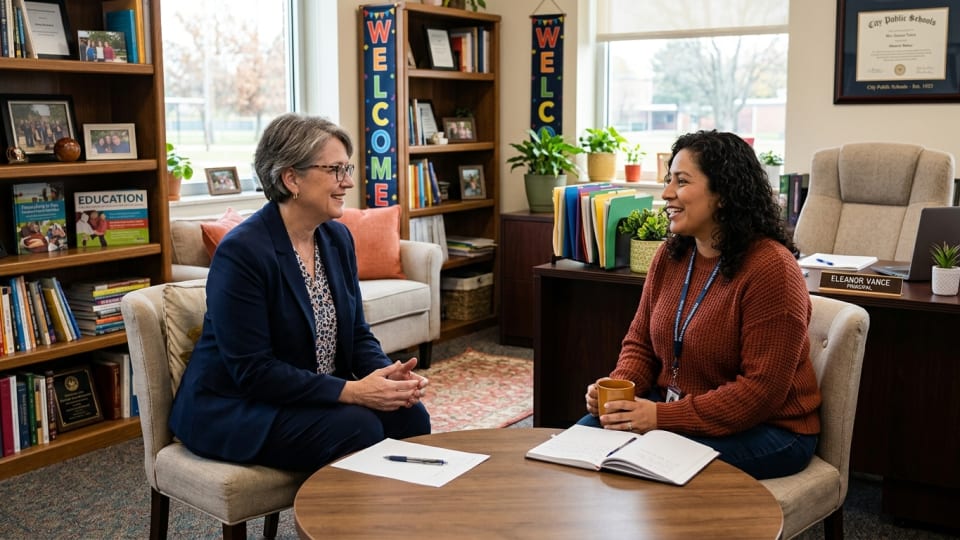
When approaching the school, be honest about your circumstances but also constructive about potential solutions. Some schools offer payment plans that allow you to spread costs over several weeks, while others might suggest fundraising activities that could offset some expenses.
Preparing children when budgets are tight
Having age-appropriate conversations about family finances helps children understand when certain expenses aren’t feasible. You don’t need to burden them with adult worries, but explaining that families make choices about how to spend money helps build their understanding.
If you need to decline a school tour, help your child understand that it’s not a reflection of their worth or your love for them. Focus on alternative experiences you can provide, like free local attractions, library activities, or nature walks that offer similar learning opportunities.
Consider involving children in simple budgeting conversations. Older children might appreciate understanding that choosing one expensive tour means saying no to something else, helping them develop decision-making skills about priorities.
Planning ahead for next year
Once you’ve navigated this year’s tour season, use the experience to plan more effectively for next year. Keep records of what you spent this year to help you budget more accurately going forward.
Many schools follow similar patterns year after year, so you can often predict when tours are likely to occur and roughly what they might cost. Junior infant farm visits, senior classes going to adventure centres, and secondary school ski trips often follow predictable schedules.
Building relationships with other parents can also provide valuable insights. Parent WhatsApp groups often share information about upcoming costs and sometimes coordinate group approaches to schools when fees seem excessive.
Making the most of school tours
When you do decide to send your child on a tour, help them prepare to get maximum value from the experience. Discuss what they might see or learn, and encourage them to share their experiences when they return.
Taking photos (where permitted) and creating a simple scrapbook or memory book helps extend the educational value beyond the single day out. This can make the expense feel more worthwhile and create lasting family memories.
Remember that school tours serve important social and educational functions beyond the obvious learning objectives. They help children bond with classmates, experience independence, and create shared memories that often last well into adulthood.
While the financial aspect of school tours can feel overwhelming, approaching the situation with planning, open communication, and realistic expectations helps ensure your children can participate in these valuable experiences without causing undue stress on family finances. Every family’s circumstances are different, and making decisions that work for your situation is what matters most.