
Travelling with Your Pet This Summer Just Got a Whole Lot Easier
You’ve sorted the accommodation, packed the sunscreen, argued about whose turn it is to carry the passports, and then you look down and see the face. The big eyes. The slightly tragic head tilt. The tail that hasn’t stopped wagging since you started loading the car. And suddenly leaving the dog behind feels genuinely impossible.
If you’ve been there, you’ll be relieved to know that travelling with your pet this summer is far more manageable than it used to be. Irish Ferries has developed a solid range of onboard options for pet owners, meaning the whole family — four legs and all — can actually make it onto the ferry without a logistical meltdown.
What are the options on board?
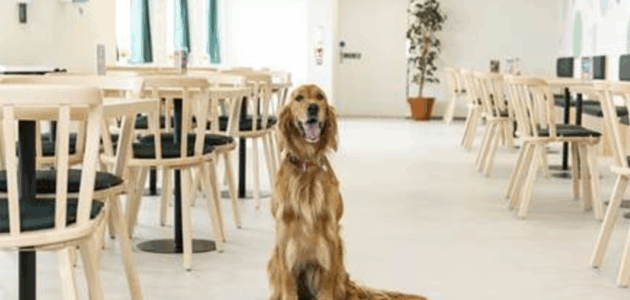
On Irish Sea routes, there are a few different ways to travel with your pet depending on what suits your animal best. The Pet Den lounge is a dedicated indoor space where pets can relax alongside their owners, with comfortable seating, leash hooks, water stations and access to outdoor deck walkways for a bit of fresh air during the crossing. It’s free to access and honestly sounds like somewhere you might want to sit yourself.
If your pet is better off having their own space, pet-friendly cabins are available on selected ships including the James Joyce, and onboard kennels are available free of charge on selected routes. Alternatively your pet can stay in your vehicle for the crossing, with ventilation and familiar surroundings to keep them settled.
On the Ireland-France route, pets travel in the W.B. Yeats onboard kennels on the car deck. Owners can visit for short walks and feeding during the crossing, and a limited number of pet cabins are also available on the Isle of Inisheer.
Know before you go: the paperwork side of things
This is the bit that trips people up, so it’s worth getting sorted well in advance. Pets travelling between Ireland, the UK and continental Europe need the following:
-
A microchip meeting ISO standards
-
A valid EU Pet Passport or Animal Health Certificate (AHC)
-
A current rabies vaccination administered at least 21 days before travel
-
For dogs travelling from Britain to Ireland, tapeworm treatment is required within one to five days before arrival
One thing worth flagging for anyone heading from Great Britain into the EU: EU pet passports issued in Great Britain are no longer valid. You’ll need a GB-issued Animal Health Certificate for each entry into the EU. Requirements can vary by destination so it’s worth checking the latest official guidelines before you travel.
Irish Ferries also ask that pets are declared at the time of booking, with a maximum of five pets per booking. An adult must stay with pets in the Pet Den and outdoor areas at all times, and all pets must be kept on a leash unless they’re in a carrier. Certain dog breeds will need to be muzzled in line with regulations.
Where could you actually go?
Once you’ve ticked the admin boxes, the destination options are genuinely lovely. Here’s a quick look at what’s on offer depending on which route you take.
Pembrokeshire, Wales (via Rosslare to Pembroke) is roughly 30 minutes from the port and well known for its rugged coastline, sandy beaches and scenic walking routes along the 300km Pembrokeshire Coast Path. Marloe Sands welcomes dogs all year round, and the nearby villages of Little Haven and Broad Haven are pet-friendly with a good mix of pubs and cafés.
Anglesey, Wales (via Dublin to Holyhead) is about 15 minutes from the port and has over 40 dog-friendly beaches. Newborough Beach and Forest is a particularly popular spot — miles of sand and pine forest trails — and the island’s cafés and accommodation options are increasingly set up to welcome pets.
Cotentin, Normandy, France (via Dublin to Cherbourg) is the option for anyone who fancies pushing a little further. About one to two hours from the port, the Cotentin peninsula has long sandy beaches at Barneville and Portbail Plage, wild dunes and plenty of open space. The GR223 coastal trail — also known as the Sentier des Douaniers — runs the length of the peninsula through clifftop paths, forests and marshes, and is fully pet-friendly. A wide range of pet-welcoming hotels, gîtes and rural stays are available throughout the region.
If you’ve been putting off the idea of bringing your dog or cat on a family trip because it seemed too complicated, it’s genuinely worth revisiting. With your own vehicle, all the luggage you can fit and a ferry crossing that actually caters for animals, it’s a lot more doable than it sounds. Find out more at IrishFerries.com.