
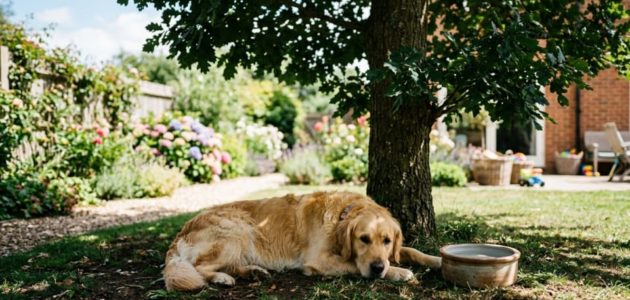
Top tips for keeping family pets safe in hot weather
With summer temperatures rising across Ireland, many parents are wondering how to keep their beloved family pets comfortable and safe during the warmer months. Just like our children, our furry family members can struggle with the heat, and it’s up to us to help them stay cool and healthy.
If you’re already juggling summer holidays, childcare arrangements, and keeping the kids entertained, adding pet care to your mental load might feel overwhelming. The good news is that keeping your pets safe in hot weather doesn’t require expensive equipment or complicated routines – just a few simple changes to your daily routine.
Here are some things to know about protecting their pets during the warmer weather, with practical tips that won’t add stress to your already busy summer schedule.
Recognising the warning signs of overheating
Dogs, cats, and smaller pets like rabbits and guinea pigs can’t regulate their body temperature as effectively as humans. Parents may find it helpful to know the early warning signs of overheating, as quick action can prevent a serious situation.
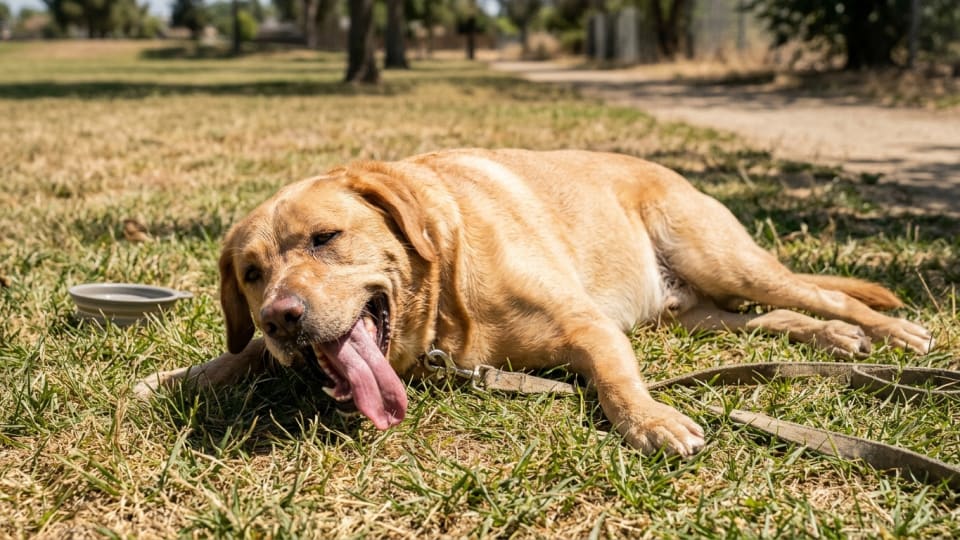
For dogs, watch out for excessive panting, drooling, or difficulty breathing. If your dog seems restless, lethargic, or is vomiting, these could be signs of heat stress. Cats tend to hide when they’re unwell, so look for open-mouth breathing, excessive grooming, or seeking out cool surfaces like bathroom tiles.
Smaller pets like rabbits and guinea pigs are particularly vulnerable to heat. Signs of distress include rapid breathing, lethargy, or lying stretched out rather than in their usual position. If you notice any of these symptoms, move your pet to a cooler area immediately and offer fresh water.
Simple cooling strategies for busy families
Creating a comfortable environment for your pets doesn’t require air conditioning or expensive cooling mats. Many Irish homes can use simple strategies that work well in our climate.
For indoor pets, ensure they have access to the coolest rooms in your house. Bathrooms and kitchens with tile floors are naturally cooler. You can place damp towels on the floor for dogs and cats to lie on, or freeze a water bottle wrapped in a tea towel for smaller pets to snuggle against.
If you’re dealing with children’s summer activities and can’t constantly monitor your pets, set up multiple water stations around the house. Fresh, cool water should always be available, and you might consider adding ice cubes to their bowls on particularly warm days.
For outdoor pets like rabbits or guinea pigs, ensure their hutches are in shaded areas and consider moving them to the coolest part of your garden during peak sun hours. A simple umbrella or tarp can provide extra shade if needed.
Rethinking walks and outdoor time
Many parents find that adjusting their pet’s outdoor routine is one of the most effective ways to prevent overheating. If you’re used to walking your dog while the children are at summer camps or activities, you might need to rethink your timing.
The best times for dog walks during hot weather are early morning (before 9am) or evening (after 6pm). The midday sun can make pavements hot enough to burn your dog’s paw pads – a simple test is placing your hand on the pavement for seven seconds. If it’s too hot for your hand, it’s too hot for their paws.
For families with busy schedules, shorter, more frequent walks work better than one long walk during cooler parts of the day. Your dog will appreciate multiple opportunities to exercise without overexerting themselves in the heat.
Budget-friendly cooling solutions
Parents juggling summer expenses don’t need to spend a fortune on pet cooling products. Many effective solutions use items you likely have at home.
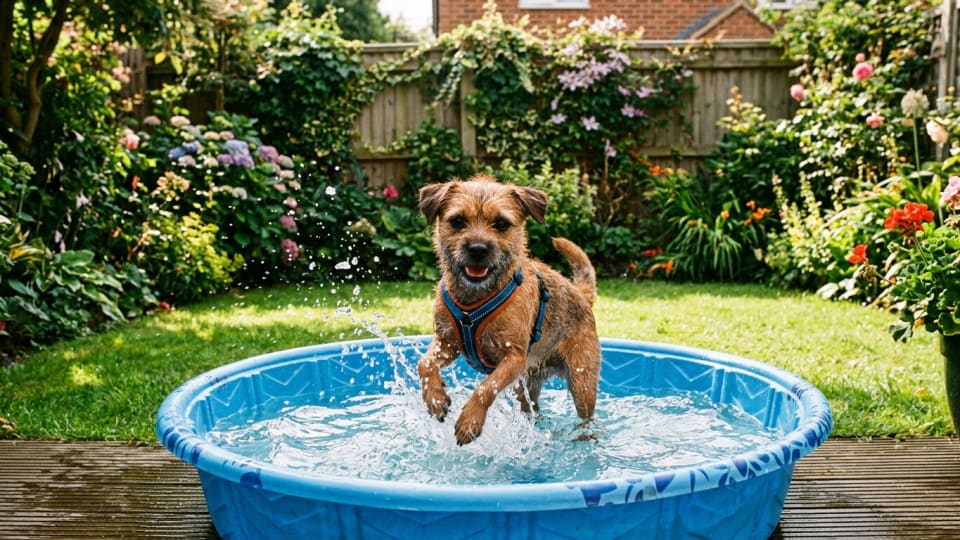
A paddling pool in the garden isn’t just for the children – many dogs love to splash and cool their paws. For indoor cooling, a simple fan positioned safely away from curious paws can help circulate air around your pet’s favourite resting spot.
Frozen treats are another hit with pets and children alike. Fill a Kong toy with wet food and freeze it for dogs, or freeze small portions of their regular food in ice cube trays. For cats, ice cubes in their water bowl often provide entertainment as well as cooling.
When to seek urgent veterinary care
While most heat-related issues can be managed at home with quick cooling measures, parents should know when professional help is needed. If your pet is showing severe symptoms like difficulty breathing, collapse, or seems disoriented, contact your vet immediately.
Heatstroke in pets is a veterinary emergency. If you’re concerned about your pet’s condition, it’s always better to call your vet for advice rather than waiting to see if symptoms improve.
Trust your instincts as a pet owner. If something doesn’t seem right, especially during hot weather, don’t hesitate to seek professional guidance. Many veterinary practices offer telephone consultations that can help determine if immediate care is needed.
Making it work for your family
Remember that keeping your pets safe in hot weather doesn’t have to add significant stress to your summer routine. Small adjustments like ensuring fresh water is always available, providing shaded areas, and timing outdoor activities for cooler parts of the day can make a significant difference to your pet’s comfort and safety.
By staying alert to the signs of overheating and having simple cooling strategies in place, you can help ensure that all members of your family – furry ones included – enjoy a safe and comfortable summer together.