
The Great Screen vs. Fresh Air Battle: Winning Strategies for Busy Mums
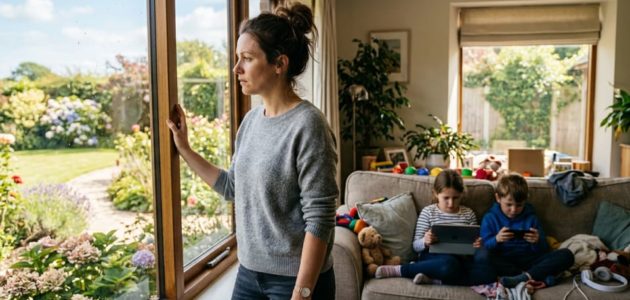
If you’re reading this while your kids are glued to their screens and you’re feeling that familiar pang of mum guilt about not getting them outside, take a deep breath. You’re not alone in this daily battle, and you’re definitely not failing as a parent.
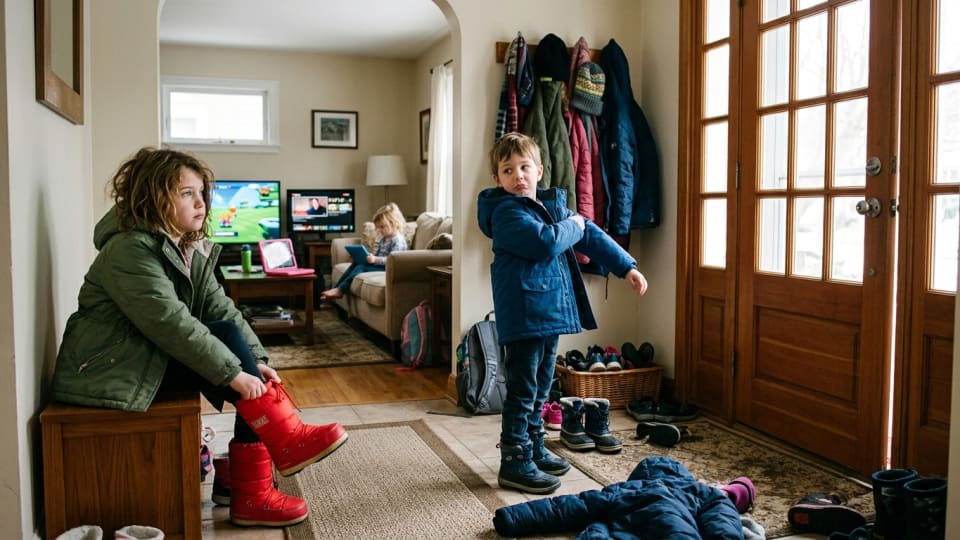
Let’s be honest – the struggle is real. One minute you’re planning a lovely family walk, and the next you’re met with dramatic groans, eye rolls, and the classic “But I’m in the middle of something!” protests. Meanwhile, you’re already mentally exhausted from the morning routine, work calls, and wondering what’s for dinner tonight.
The truth is, this isn’t about being the perfect Pinterest mum with children who leap joyfully into wellies at the mere mention of fresh air. This is about finding strategies that actually work for real families, on real days, with real tired children (and real tired parents).
Why the Screen Struggle Hits So Hard
First, let’s acknowledge why this battle feels so intense. Our kids have grown up with technology as their normal, especially after years of increased screen time during lockdowns. Meanwhile, we remember childhood summers that seemed to stretch endlessly outdoors, and we worry we’re somehow failing to recreate that magic.
But here’s the thing – comparing our children’s childhoods to our own isn’t fair on anyone. The world has changed, and so have the challenges of parenting. What matters is finding a balance that works for your family, not achieving some impossible standard.
The guilt is exhausting, isn’t it? That voice that whispers you should be doing more, planning better, being more creative. But you know what? Sometimes the most loving thing you can do is accept that some days, screens win – and that’s okay.
The Art of Creative Compromise
Instead of all-out warfare, try thinking in terms of creative deals. “Screen-free outdoor time” rewards can work wonders – maybe 30 minutes outside earns 30 minutes of guilt-free screen time later. The key is making it feel like a trade rather than a punishment.
Consider the “outdoor screen challenge” – let them bring a device outside to take photos or videos of nature, insects, or their outdoor adventures. You’re still getting them into fresh air, but you’re meeting them halfway. Sometimes the best wins are the ones where everyone feels like they’ve gained something.
Family challenges can transform reluctant participants into enthusiastic competitors. Create a simple points system for outdoor activities – finding different coloured leaves, spotting birds, or even just staying outside for ten minutes without complaining. Make it playful, not prescriptive.
Getting Kids Invested in the Decision
One of the most effective strategies is involving children in choosing outdoor activities. Instead of announcing “We’re going for a walk,” try offering choices: “Would you like to explore the woods or go to the playground?” or “Should we bring the football or the frisbee?”
When children feel they have some control over the outdoor experience, resistance often melts away. Keep a running list of outdoor activities they’ve enjoyed, and let them pick from it. Sometimes the simplest activities – like jumping in puddles or collecting interesting stones – become the most memorable.
Consider starting an “outdoor adventure jar” where family members can add suggestions. When motivation is low, simply pick one at random. The element of surprise often generates more enthusiasm than planned activities.
Realistic Expectations for Busy Days
Not every outdoor experience needs to be an elaborate adventure. Sometimes success is simply sitting in the garden for ten minutes, or walking to the shops instead of driving. These small moments of fresh air count just as much as longer excursions.
Build outdoor time into existing routines rather than adding it as another task. Walk to school when possible, eat lunch in the garden, or have that phone conversation while standing outside. These micro-moments of outdoor exposure add up without creating additional pressure.
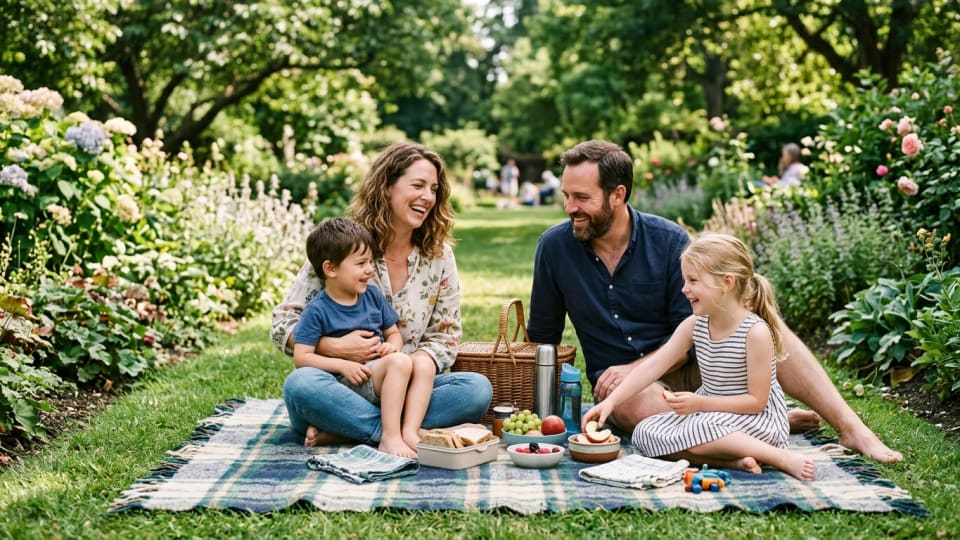
Remember that some seasons are naturally easier than others. Don’t beat yourself up for increased screen time during grey winter months – focus on making the most of brighter days when they come.
Building Habits That Stick
The goal isn’t perfection; it’s progress. Start small and build gradually. Maybe it’s five minutes outside after school, or choosing one weekend activity that involves fresh air. Consistency matters more than duration.
Create positive associations with outdoor time. Bring special snacks, allow favourite music, or make it social by inviting friends. When outdoor time feels like a treat rather than a chore, children naturally become more willing participants.
Most importantly, model the behaviour you want to see. If you’re constantly checking your phone or talking about how cold it is, children pick up on that energy. Show genuine enjoyment in simple outdoor moments, and they’re more likely to mirror that enthusiasm.
When to Give Yourself Grace
Some days, the screens will win, and that’s genuinely okay. Sick days, exceptionally stressful periods, or when everyone’s just having an off day – these are times to prioritise peace over principles.
Remember that children need downtime too. Not every moment needs to be actively enriching. Sometimes a quiet afternoon with screens is exactly what everyone needs to recharge.
The most important thing you can teach your children is balance, and that includes knowing when to rest. Show them that taking care of mental health – yours and theirs – sometimes means choosing the easier option.
This screen versus fresh air battle doesn’t have to be a war. With realistic expectations, creative compromises, and a healthy dose of self-compassion, you can find approaches that work for your unique family. Trust yourself – you know your children better than anyone, and you’re doing better than you think.