

Sun safety habits to teach your children from early age
As Irish parents, we know how precious those sunny days can be – and how quickly they can catch us off guard when it comes to protecting our little ones. Teaching children good sun safety habits early doesn’t have to involve scary talks about skin damage or constant nagging about suncream. Instead, it’s about building simple, positive routines that become as natural as brushing teeth.
Many parents find that starting these habits when children are toddlers makes sun protection feel completely normal rather than like a chore. The key is making it part of your family’s daily rhythm, especially during those lovely Irish summer months when the UV rays can be surprisingly strong.
The “suncream before shoes” rule
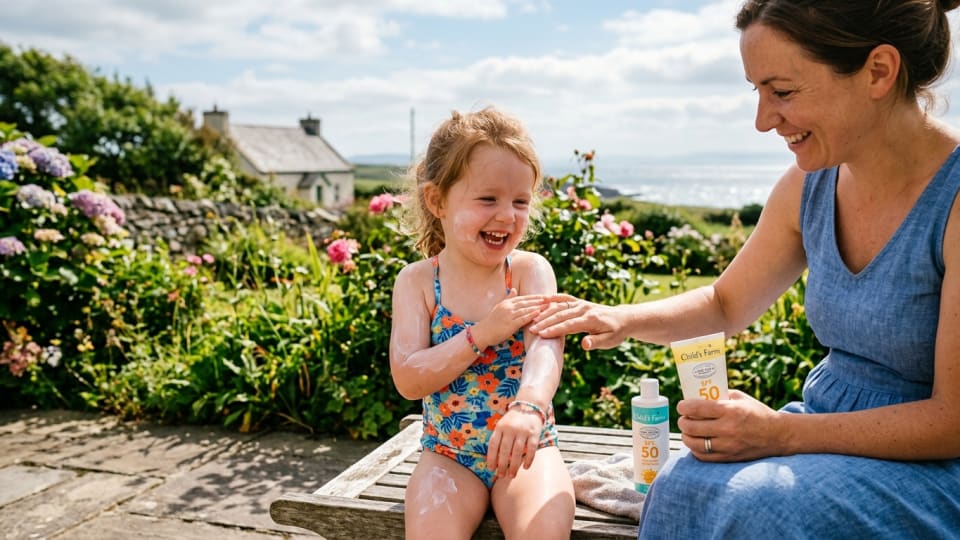
One of the most effective habits you can establish is applying suncream before getting dressed to go out. This simple routine means sun protection becomes an automatic part of getting ready, just like putting on clothes.
Choose a broad-spectrum SPF 30 or higher that’s designed for children’s sensitive skin. Let your little ones help by squeezing the bottle or rubbing it in – making them part of the process helps build the habit. For busy mornings, keep suncream by the front door as a visual reminder.
If you’re juggling multiple children, try the “suncream assembly line” approach where everyone gets their protection applied at the same time. It’s quicker and ensures no one gets forgotten in the rush to get out the door.
Teaching children to seek shade naturally
Rather than constantly telling children to “get out of the sun,” help them understand when and why shade is their friend. Explain that when their shadow is shorter than they are (typically between 11am and 3pm), it’s time to find some cover.
Make seeking shade feel like a game or adventure. Point out the lovely cool spots under trees, umbrellas, or playground structures. During school tours or outdoor activities, encourage children to notice these shady spots and choose them for rest breaks.
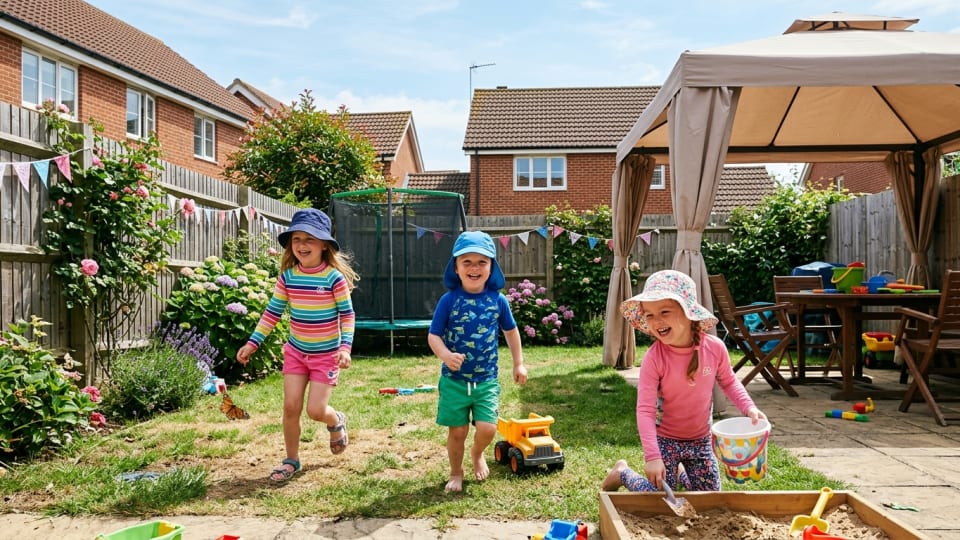
At home, create appealing shaded areas in your garden with a small tent, umbrella, or even just a sheet stretched between chairs. Children are more likely to use shade when it feels like a special hideout rather than a restriction.
Choosing sun-safe clothing that kids actually want to wear
The best sun protection is clothing that covers skin, but getting children to wear long sleeves on warm days can be challenging. Look for lightweight, loose-fitting clothes in bright colours or fun patterns that children will be excited to put on.
UV-protective swimwear and rash guards are brilliant for beach days and water play. Many come in designs featuring favourite characters or bright patterns that make children feel special rather than covered up.
Hats can be trickier, but involving children in choosing their own sun hat often works wonders. Wide-brimmed hats offer the best protection, but a cap they love wearing is better than a perfect hat left at home.
Different scenarios, same habits
Beach days require extra vigilance as sand and water reflect UV rays, increasing exposure. Apply suncream 30 minutes before heading out, and reapply every two hours or after swimming – even if the suncream claims to be waterproof.
For school tours and outdoor activities, pack a small tube of suncream in your child’s bag and remind teachers about reapplication if it’s an all-day event. Many schools now have sun safety policies, but it’s worth checking what’s expected.
Garden play might seem low-risk, but children can get significant sun exposure during regular outdoor time. The same rules apply – suncream, seeking shade during peak hours, and protective clothing when possible.
Explaining sun safety without fear
When talking to children about sun protection, focus on positive messages rather than scary consequences. Explain that the sun gives us lovely warm days and helps plants grow, but that our skin needs protection just like we wear coats in winter.
Use simple, age-appropriate language: “Suncream helps keep our skin happy and healthy” works better than detailed explanations about UV damage. For older children, you might explain that too much sun can make skin red and sore, like when you touch something too hot.
Praise children when they remember sun safety rules or ask for suncream. Making it about being responsible and looking after themselves builds confidence and independence.
Making it stick
The beauty of establishing these habits early is that they become second nature. Children who grow up with regular suncream application and shade-seeking behaviour are more likely to continue protecting themselves as teenagers and adults.
Remember that consistency matters more than perfection. There will be days when you forget the suncream or when children resist wearing hats, and that’s completely normal. The goal is building overall awareness and habits that protect them most of the time.
Start with one or two simple changes – perhaps the “suncream before shoes” rule and pointing out shade during playground visits. Once these feel natural, you can gradually add other protective habits. Before you know it, sun safety will be as automatic as any other part of your family’s daily routine.