

Parental Alienation: How to Protect Your Bond With Your Child
Divorce is hard enough. But when you begin to feel like someone is actively working to turn your child against you — whispering in their ear, rewriting memories, or slowly chipping away at the relationship you’ve spent years building — the pain reaches a whole new level. If this sounds familiar, you may be experiencing what is known as parental alienation, and we want you to know: you are not alone, and there are things you can do.
At MagicMum, we know that behind every difficult search query is a real mum — sitting at a kitchen table late at night, heart aching, wondering what on earth she can do to protect her relationship with her child. This article is for her. For you. Let’s talk about what parental alienation actually looks like, how it affects families in Ireland, and — most importantly — what practical steps you can take right now.
What Is Parental Alienation?
Parental alienation occurs when one parent — whether consciously or unconsciously — behaves in ways that damage or destroy a child’s relationship with the other parent. This can range from subtle put-downs and eye-rolls when the other parent is mentioned, to outright telling a child that their mum or dad doesn’t love them, is dangerous, or shouldn’t be trusted.
It’s worth noting that parental alienation is not always deliberate. Sometimes a parent acts out of their own unresolved hurt or fear, not fully realising the impact their words and actions are having on the child. That said, whether intentional or not, the effect on the child — and on you — can be devastating.
Parental alienation is increasingly recognised in family law circles across Ireland and internationally, though it is not yet a formally defined legal term in Irish legislation. However, the behaviour patterns associated with it are taken seriously by the courts, particularly when the best interests of the child are being assessed.
Signs You May Be Experiencing Parental Alienation
It can be difficult to know whether what you’re experiencing is parental alienation or simply the normal (if painful) friction that comes with a difficult separation. Here are some signs to watch out for:
-
Your child suddenly refuses contact with you for no clear reason
-
Your child uses language or phrases that sound like they’ve come from an adult
-
Your child seems frightened to show affection toward you or mention you in the other parent’s home
-
The other parent consistently interferes with or cancels agreed access arrangements
-
Your child reports being told negative or false things about you
-
Your child seems to parrot criticisms of you that don’t match their own experiences
-
The other parent excludes you from school events, medical appointments, or other important milestones
-
Your child expresses guilt or anxiety about enjoying time with you
Not every difficult behaviour indicates alienation — children going through family breakdown can act out in all sorts of ways. But if you’re noticing a consistent pattern, it’s worth taking seriously.
The Emotional Toll — And Why It’s Okay to Grieve It
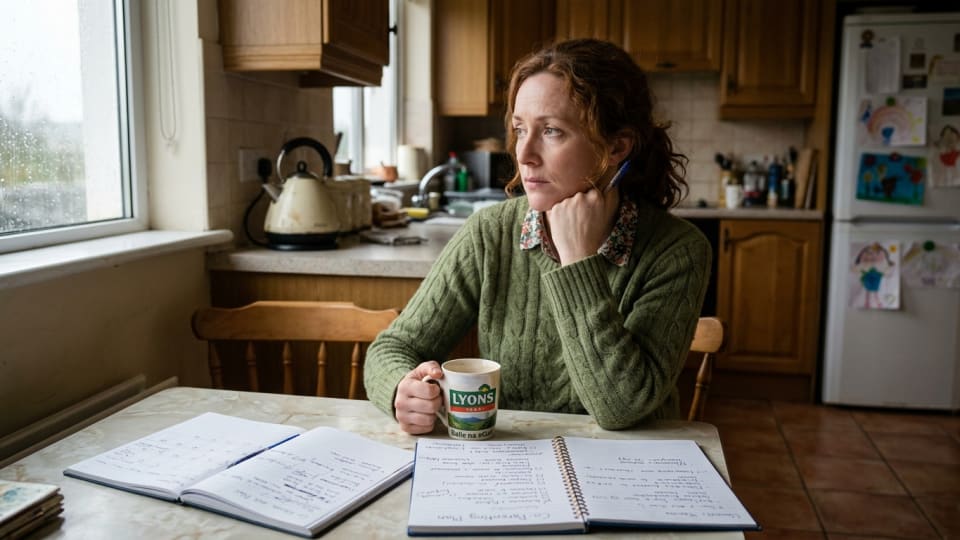
Let’s be honest for a moment: parental alienation is a form of loss. Even while your child is still alive and physically present, you may feel like you are losing them — piece by piece, visit by visit. That grief is real, and it deserves to be acknowledged.
Many mums in this situation describe feeling helpless, enraged, heartbroken, and invisible — sometimes all at once. There can also be a deep shame involved, a quiet fear that people won’t believe you, or that somehow you must have done something to deserve this. You haven’t. These feelings are a normal response to an abnormal and deeply unfair situation.
Please give yourself permission to feel the grief — and then, when you’re ready, let’s talk about what you can do.
Practical Steps to Protect Your Relationship With Your Child
1. Keep showing up, even when it’s painful. Consistency is one of the most powerful things you can offer your child right now. Even if visits are short, tense, or frequently cancelled, continue to pursue contact. Your child needs to know, deep down, that you haven’t given up on them — even if they are currently pushing you away.
2. Never retaliate in kind. It is incredibly tempting to fight fire with fire — to correct the record, vent your frustration, or speak poorly of the other parent in front of your child. Resist this with everything you have. Research consistently shows that children fare best when they are shielded from adult conflict, and speaking negatively about the other parent — even if completely justified — can backfire and cause your child to feel more torn and distressed.
3. Create a calm, loving space. When your child is with you, focus on connection. Keep things low-key. Let them decompress. Don’t interrogate them about what’s being said at the other home — this puts them in an impossible position. Instead, do ordinary, lovely things together. Cook a meal. Watch a film. Go for a walk on the beach. Let the relationship breathe.
4. Document everything. Keep a detailed diary of cancelled or disrupted visits, changes in your child’s behaviour, and anything your child says that suggests alienating behaviour is occurring. Note dates, times, and exact words where possible. This record can be invaluable if you need to pursue legal action.
5. Write letters or send cards — even if they’re not always received. If you’re being blocked from contact, maintaining a paper trail of your efforts to reach your child matters. Cards, letters, and emails show a court — and eventually, your grown child — that you never stopped trying.
6. Seek support for yourself. You cannot pour from an empty cup. Find a therapist, counsellor, or support group — ideally one with experience in family breakdown or parental alienation. Organisations like Treoir, FLAC (Free Legal Advice Centres), and Tusla offer resources and referrals for Irish families navigating these challenges.
Voices From Mums Who’ve Been There
We asked some mums from the MagicMum community who have experienced parental alienation to share what helped them most. Their words are a reminder that survival — and even healing — is possible.
“The thing that kept me going was writing to my daughter every week, even when she wouldn’t respond. When she turned 18, she told me she’d kept every single one. She knew I never stopped loving her.” — Sinéad, Co. Clare
“I wasted so much energy trying to defend myself to my son. A counsellor helped me see that the best defence was just being the mum I always was. Kids see the truth eventually.” — Aoife, Dublin
“Getting a solicitor who actually understood what parental alienation was made all the difference. Not all of them do — do your research and find someone who gets it.” — Karen, Co. Cork
Seeking Legal Support in Ireland
If parental alienation is significantly impacting your access to your child, it may be time to seek legal advice. In Ireland, family law matters relating to custody and access are dealt with in the Circuit Court or the District Court, depending on the circumstances. The courts are guided by the principle of the best interests of the child, which includes the right of a child to maintain a meaningful relationship with both parents.
If a court-ordered access arrangement is being repeatedly breached, you can apply to have the other parent held in contempt of court. A solicitor experienced in family law will be able to advise you on the most appropriate course of action for your specific situation. If cost is a concern, you may be eligible for civil legal aid through the Legal Aid Board.
It can also be helpful to request that a Guardian ad Litem be appointed — an independent professional who represents the child’s interests in court proceedings and can provide an objective assessment of the family situation.
What About the Child’s Wellbeing?
Children caught in the middle of parental alienation often suffer deeply, even when they don’t show it — or even when they appear to be “on the other parent’s side.” Research shows that children who are alienated from a parent frequently experience issues with trust, self-esteem, and relationships in later life. Reassuringly, many adult children who were alienated from a parent do eventually seek to rebuild that relationship when they are old enough to process what happened.
If your child is struggling, child-focused counselling or play therapy can be enormously beneficial. Your GP can provide a referral, or you can contact Barnardos Ireland, who offer family support services across the country.
A Final Word
If you are in the middle of this right now, we want you to hear this clearly: the fact that you are searching for answers, fighting for your child, and refusing to give up says everything about the kind of mother you are. Parental alienation is one of the most painful things a parent can experience — but you are not powerless, and you are not alone.
Keep showing up. Keep loving them. Keep reaching out. The bond between a mother and her child is one of the most resilient things in the world — and no amount of manipulation can permanently sever what you have built together.
If you’d like to share your own experience or connect with other mums navigating similar situations, head to the MagicMum community forums. Because sometimes, just knowing someone else understands is the first step toward healing.