
HSE's expert tips for getting your Junior Infant ready for September
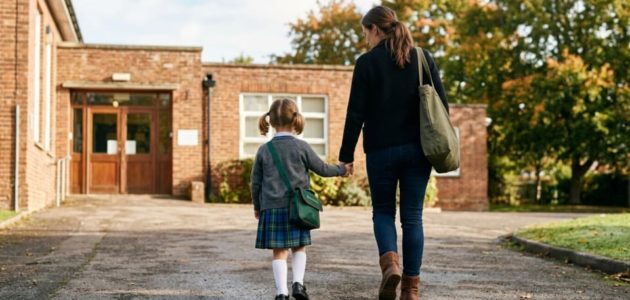
The school bag is out. The shoes have been bought (twice, because the first pair weren’t quite right). The uniform is hanging up and being studiously ignored by the child it’s intended for. If you’re sending a little one into Junior Infants for the first time this September, the feelings are big and the to-do list is longer. To help with the practical side of things, the team at HSE MyChild.ie have put together some genuinely useful advice for parents getting ready for the big first year.
Getting the school bag right
It sounds simple but it matters more than you’d think. A bag that’s too big, too heavy or badly fitted can put real strain on small shoulders. The HSE recommends choosing a backpack-style bag with two wide padded adjustable straps rather than a single-strap bag. The straps should hold the bag close to your child’s back and the bottom of the bag should sit just above the waist. If your child tends to pack half their bedroom in there, a waist belt can help distribute the weight.
Beyond the lunchbox and water bottle, it’s worth tucking in a small pack of tissues for those inevitable runny noses and a sunscreen of SPF 50 for any sunny spells. And don’t ignore those bits of paper that come home in the bag. The school health programme for Junior Infants includes hearing and vision checks and vaccinations, so keep an eye out for consent forms that need to come back.
Shoes: you don’t need to spend a fortune
Breathe. You genuinely don’t have to remortgage for school shoes. The HSE is clear that cheaper options are often just as good as pricier ones. What matters is fit and material. Look for breathable fabrics like leather, canvas or waterproof breathable options and take your time when trying them on in the shop.
While your child has the shoes on, run through a quick checklist. The shoes should feel comfortable and supportive. The heel shouldn’t slip up and down. Their foot shouldn’t be pushing out at the back. They should be able to wiggle their toes freely and there should be roughly 1cm of space between the toes and the tip of the shoe. That’s it. Ignore anything that doesn’t tick those boxes, no matter how cute it looks.
Bugs, germs and the dreaded head lice
Every parent who has been through Junior Infants will tell you the same thing: the first year is an absolute marathon of colds. It’s almost a rite of passage at this stage. The HSE has some practical steps to help reduce the spread of illness, and they’re worth building into your child’s routine before school even starts.
Hand hygiene is the big one. Children can spread infections before they show any symptoms themselves, so teaching your child to wash their hands properly and to cover coughs and sneezes is genuinely valuable. The HSE YouTube channel has videos to make this a little more engaging for small people.
Check that your child’s vaccinations are up to date before they start. If they missed any of the routine childhood vaccines, a quick call to your GP will sort out a catch-up plan. When the free nasal spray flu vaccine becomes available later this year, it’s well worth getting for your child. Children are twice as likely as adults to catch flu and can spread it quickly, so the vaccine helps protect not just your child but also babies, grandparents and anyone vulnerable in your family circle.
Knowing when to keep your child home is another thing worth thinking about in advance. A child with a minor cough, runny nose or mild sore throat can usually go into school. But a child who is properly unwell shouldn’t. It’s better for them and for the other small humans in the classroom. The MyChild.ie page on knowing when your child is well enough for school is a handy reference to bookmark.
And then there’s head lice. Just reading the words is enough to make your head itch. They’re very common in young children, they live in both clean and unwashed hair and they spread through head-to-head contact. You can’t prevent them entirely, but tying back long hair and avoiding head-to-head contact helps reduce the risk. Check hair regularly and get into the habit of doing so if you hear there’s a case going around the class.
The HSE’s Talking Health and Wellbeing podcast episode 152 with Dr Abigail Collins also covers back-to-school preparation in more detail and is available on all the usual podcast platforms if you want something to listen to on the school run practice walk.