
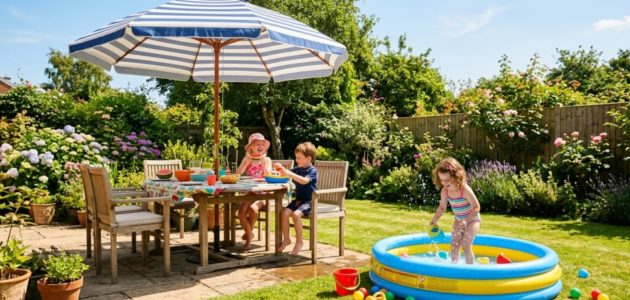
HSE Issues Hot Weather Safety Advice for Families and Young Children
Ireland is in the grip of a hot spell right now, and while the sunshine is very welcome, the HSE is urging everyone to take it seriously — especially if you have young children, a baby, or you’re pregnant. A Status Yellow High Temperature Warning has been issued by Met Éireann, and with good reason. Heat affects little ones far faster than it affects adults, and it can sneak up on you before you even realise what’s happening.
If you’re navigating the school holidays with a buggy, a bag full of snacks and approximately zero shade, this is worth reading. The HSE has issued clear public health guidance on keeping yourself and your family safe during the warm weather, and we’ve pulled together the most important bits for you.
Keep cool and protect the little ones
The hottest part of the day runs from 11am to 3pm, and the HSE is advising people to stay out of direct sun during those hours where possible. For mums with babies and toddlers, that means planning your outdoor time for earlier in the morning or later in the afternoon. It’s not the most convenient advice when you’ve got a full day to fill, but it genuinely matters.
Keep babies out of direct sunlight entirely, and always use a sunshade on the buggy. Light-coloured, loose-fitting clothing helps for everyone. At home, close your curtains or blinds during the day to keep rooms cooler, and open windows in the evening when the temperature drops. Turning off lights and electrical equipment that aren’t needed will help too — every little bit makes a difference when you’re trying to get a baby to sleep in a warm house.
Dr Caitriona Kelly, Consultant in Public Health Medicine at the HSE National Health Protection Office, put it plainly: “High temperatures can cause people to become very sick. We are urging people to keep cool and stay hydrated during the hot weather. This is especially important for older people, young children and those with chronic medical conditions.”
Hydration — more important than you think
Drink water throughout the day even if you don’t feel thirsty. That goes for you and for the kids. It’s very easy when you’re running around after children to forget to drink yourself, so keep a water bottle on the counter as a visual reminder.
For babies under six months, breast milk or infant formula is all they need — no water required at that age. Babies over six months can be offered water in addition to their usual milk feeds. The HSE advises watching for plenty of wet nappies as a sign your baby is well hydrated. Pale-coloured pee is the goal for everyone else in the family.
Alcoholic drinks will dehydrate you further, so save the rosé for when the sun goes down and you’ve actually topped up your fluids. Oral rehydration sachets are worth having in the house if anyone starts feeling off — your pharmacist can advise on the best ones to use.
Dr Kelly also offered a practical tip for anyone caring for older relatives: “They may not have a sense of how much they’re drinking. To help them, make sure they drink during mealtimes. You could even make drinking a social thing, like ‘having a cup of tea’, or offer them food with a high-water content. Fruits like melon, ice lollies, or jelly all have a high-water content.” Worth remembering for fussy little ones too, honestly.
Sun safety, water safety and when to worry
The HSE is reminding everyone to follow the SunSmart 5 S’s:
-
Slip on clothing — cover skin as much as possible with long sleeves
-
Slop on sunscreen — SPF 30+ for adults, SPF 50+ for children, reapplied every two hours and more often after swimming
-
Slap on a wide-brimmed hat — baseball caps don’t cut it for proper protection
-
Seek shade, especially between 11am and 3pm
-
Slide on sunglasses with UV protection
And don’t deliberately try to get a tan or allow skin to burn. More sun safety information is available at hse.ie/sunsmart.
With so many families heading to beaches, lakes and rivers during the warm weather, water safety is also worth flagging. Follow local advice and take proper precautions around any open water.
It’s also important to know the difference between heat exhaustion and heatstroke. Early signs of heat exhaustion include excessive sweating, dizziness, headache, muscle cramps, nausea and fatigue. These are serious but treatable — get indoors, cool down and drink fluids. Heatstroke is a medical emergency. If someone becomes confused, loses consciousness, has a seizure, develops very hot dry skin or stops sweating, call 999 or 112 immediately. Don’t wait and see.
If you’re worried about yourself or your child at any point, contact your GP or seek medical advice. The HSE’s full guidance on staying safe in hot weather is available on the HPSC website.