
How to End Constant Snack Requests Without Daily Food Battles
If you’re hearing “Mam, I’m hungry!” every twenty minutes from your preschooler, you’re definitely not alone. Many parents find themselves caught in an exhausting cycle of constant snack negotiations that can turn mealtimes into battlegrounds and leave everyone feeling frazzled.
The good news? With a few strategic changes to your routine, you can create structure around snacking that satisfies your little one while giving you back some peace of mind. Here’s how to establish boundaries that work for real families juggling busy schedules.
Create Visual Snack Times That Work
Preschoolers thrive on routine, but they often struggle with abstract concepts like “later” or “after lunch.” A visual snack schedule can be a game-changer for reducing those constant requests.
Try creating a simple chart showing three designated snack times throughout the day – perhaps mid-morning, afternoon, and early evening. Use pictures or symbols your child can understand, like a sun for morning snack or a clock showing the time.
When your child asks for food outside these times, you can simply point to the chart and say, “Our next snack time is at three o’clock, after we finish our puzzle.” This removes you from being the “bad guy” and puts the boundary on the schedule instead.
Many parents find that consistency is key here. Stick to your designated times for at least two weeks to help your child adjust to the new routine.
Choose Snacks That Actually Satisfy
If your preschooler is asking for food again thirty minutes after their last snack, they might not be getting the right combination of nutrients to keep them satisfied. Focus on snacks that combine protein, healthy fats, and fibre to provide lasting energy.
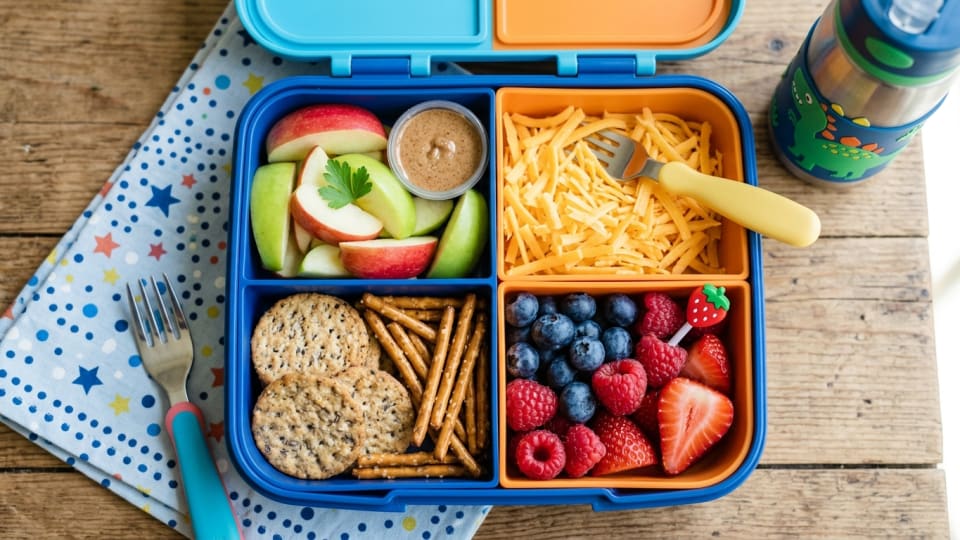
Instead of reaching for processed snacks that provide quick energy followed by a crash, try options like:
-
Apple slices with almond butter
-
Wholemeal toast with avocado
-
Greek yoghurt with berries
-
Cheese cubes/sticks with grapes
-
Hummus with vegetable sticks
Think of snacks as mini-meals rather than treats. This mindset shift can help you choose options that genuinely nourish your child and keep them satisfied until the next scheduled eating time.
Distinguish Between Hunger and Boredom
Preschoolers often confuse boredom, thirst, or the need for attention with hunger. If your child has eaten recently and is asking for food again, try offering alternatives first.
“I can see you’re looking for something to do. Would you like to help me sort the washing, or shall we read a story together?” This approach acknowledges their need while redirecting their attention.
Sometimes a glass of water or a few minutes of focused attention can satisfy what they’re really seeking. If they’re genuinely hungry after trying these alternatives, you’ll know it’s time for a proper snack.
Respond Without Starting a Battle
When your preschooler asks for food outside designated times, your response can either escalate or defuse the situation. Instead of launching into explanations about why they can’t have a snack right now, try these gentle but firm responses:
“I can see you’re thinking about food. Our next snack is at four o’clock – that’s after we finish playing outside.”
“Your tummy might be telling you it wants food, but your body has enough energy right now. Let’s check our snack schedule together.”
If they persist, acknowledge their feelings while maintaining the boundary: “You really want that biscuit, don’t you? It’s hard to wait. Our next snack time will be here before you know it.”
Prepare for Common Challenges
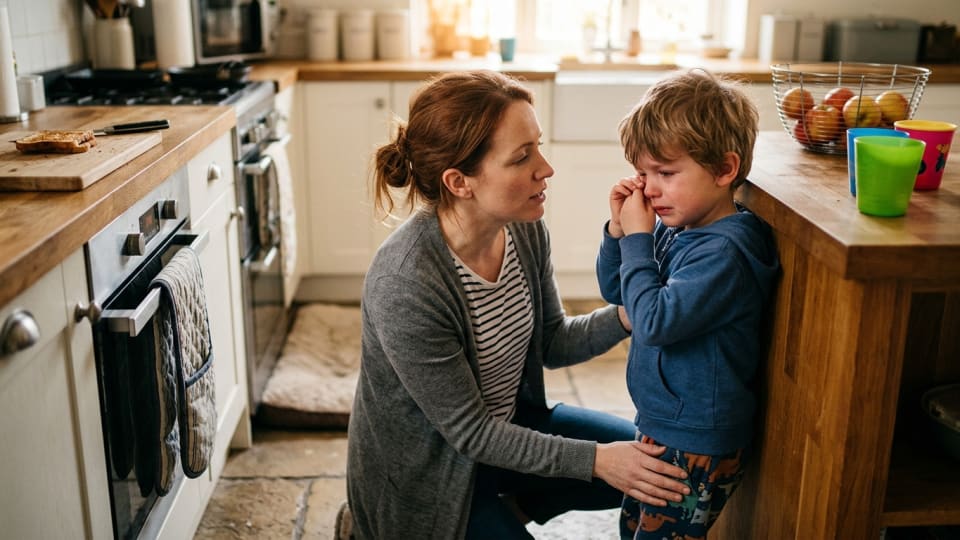
Every family faces unique snacking challenges. If you’re dealing with a child who becomes particularly cranky when they can’t have food immediately, consider whether their meal portions are adequate or if snack times need adjusting.
Some children genuinely need smaller, more frequent meals due to their metabolism or activity level. Pay attention to patterns – if your child is consistently asking for food an hour before scheduled snack time, it might be worth shifting the schedule slightly.
For children who are going through growth spurts or are particularly active, you might need to increase portion sizes at meals or add an extra small snack to the schedule temporarily.
Make Snack Prep Work for Your Schedule
Busy parents need systems that don’t create extra work. Consider preparing snack portions during quieter moments – perhaps while making lunch or during evening meal prep.
Having ready-to-grab options available makes it easier to stick to your snack schedule without scrambling to put something together when the time comes.
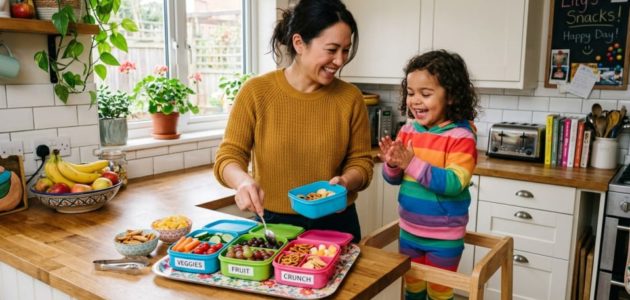
You might prepare several days’ worth of portioned snacks at once, storing them in clear containers so your child can see what’s coming up. This visual element often helps reduce the anxiety that drives constant food requests.
Building Long-Term Success
Remember that changing snacking patterns takes time and patience. Your preschooler has learned that asking repeatedly sometimes gets results, so they’ll likely test your new boundaries initially.
Stay consistent with your approach, and you’ll likely notice a significant reduction in food negotiations within a few weeks. Many parents find that once their child adjusts to the structure, they actually become more interested in their designated snacks and less focused on food throughout the day.
The goal isn’t to be rigid about food, but rather to create predictable rhythms that work for your whole family. With clear boundaries and satisfying snacks, you can transform those exhausting food battles into peaceful family moments where everyone knows what to expect.