
6 Childhood Habits that Impact Teeth
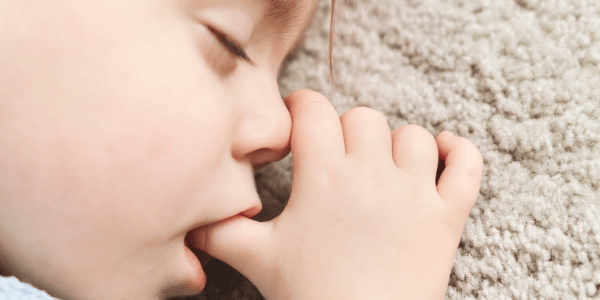
Although tooth and jaw issues are often inherited, orthodontic concerns can also be linked to common childhood habits such as prolonged thumb-sucking or pacifier use.
“As children’s jaws are developing, simple daily habits can slowly influence how their teeth align over time, says Dr Gina Kilfeather, group orthodontic advisor at Dental Care Ireland.
“By paying attention to patterns from the start, it is possible to make small corrections along the way. Early intervention is key and allows your dentist to identify any issues before complications arise. Teaching your child to look after their baby teeth at the onset will help pave the way for a healthy adult mouth.”
6 Childhood Habits that Impact Teeth:
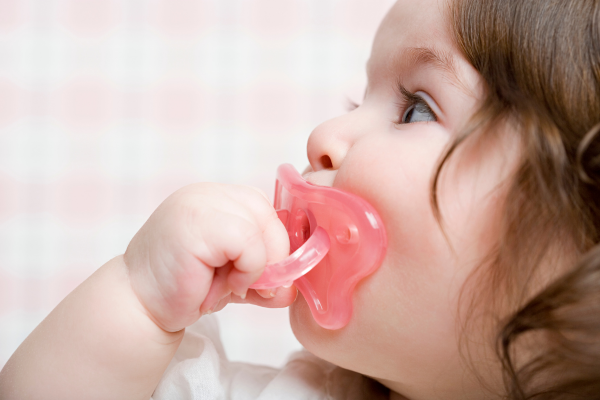
#1 Prolonged pacifier use
Although sucking is a basic instinct of infants, prolonged or intense use of a pacifier can result in orthodontic issues from a young age. Over time, the pacifier pushes teeth out of alignment, changing the shape of the jaw and palate. Ideally, it is recommended to use an orthodontic soother only, and to discontinue use from around 18 months.
#2 Excessive thumb-sucking
Thumb-sucking is perfectly normal during infancy and early childhood. If it persists after permanent teeth begin to appear, however, it may affect jaw development and tooth alignment. Your dentist can advise on how best to gradually reduce the habit and help prevent long-term damage.
#3 Chronic mouth-breathing
If a child frequently breathes through the mouth rather than the nose, it can impact development of the upper jaw. Chronic mouth-breathing changes the natural resting position of the tongue, which can lead to a narrow upper jaw, crowded teeth, and misaligned bites. Your dentist can help identify possible causes such as allergies or enlarged tonsils.
#4 Tongue thrusting
The tongue plays an important role in guiding proper jaw growth. When a child pushes the tongue against the front teeth during swallowing, the repeated forward pressure can gradually push the front teeth outward. This pattern, known as tongue thrusting, may create noticeable gaps or an open bite if not corrected early.
#5 Nail biting
When children regularly bite their nails or chew on toys over an extended period of time, it can put abnormal stress on developing teeth. The repeated pressure influences how teeth come together, and may contribute to chips, cracks, sensitivity, or changes in tooth positioning.
#6 Extended use of bottles
Aside from the risk of severe tooth decay, extended use of baby bottles can also affect jaw development, contributing to misaligned teeth and bite issues. It is recommended to transition your child from a bottle to a cup by 12 months old. Routine dental visits from this age will allow your dentist to monitor for any developmental problems.
Dr Gina Kilfeather is group orthodontic advisor at Dental Care Ireland, an Irish-owned network of 37 established dental practices nationwide. For further information, visit www.dentalcareireland.ie