
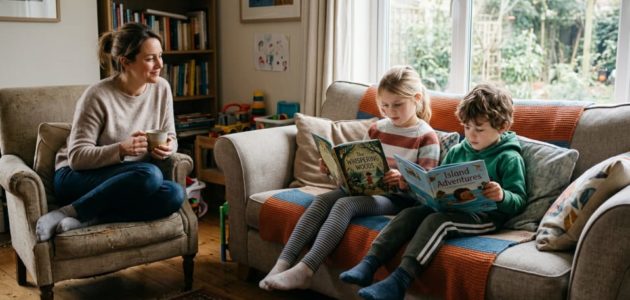
5 Ways to Help Siblings Get Along When They're Home Together More
If you’re finding that your children are at each other’s throats more often lately, you’re not alone. Whether it’s school holidays, a bout of illness keeping everyone indoors, or simply more family time at home, many parents find that increased togetherness can lead to increased sibling friction.
The good news? There are practical ways to help your children get along better without having to referee every squabble. Here are five strategies that can make a real difference in creating a more harmonious home environment.
1. Create Separate Spaces for Each Child
Even the most loving siblings need space to breathe. When children are home together more often, having designated areas where each child can retreat becomes crucial for maintaining peace.
This doesn’t mean every child needs their own bedroom – though if they have one, that’s brilliant. Think creatively about your space. A reading corner in the living room, a desk area in the kitchen, or even a cosy spot under the stairs can become a child’s special place.
The key is making these spaces respected by all family members. Establish a clear rule: when someone is in their special space, they’re not to be disturbed unless there’s an emergency. This gives each child a guaranteed retreat when they need time alone.
2. Plan Activities That Keep Everyone Engaged
Boredom often leads to sibling conflict. When children don’t have enough to occupy their minds and bodies, they’re more likely to wind each other up.
Create a rotation of activities that can keep different age groups engaged. Craft supplies in one corner, puzzles on the dining table, and perhaps an audiobook playing in the living room can give children options to choose from based on their energy levels and interests.
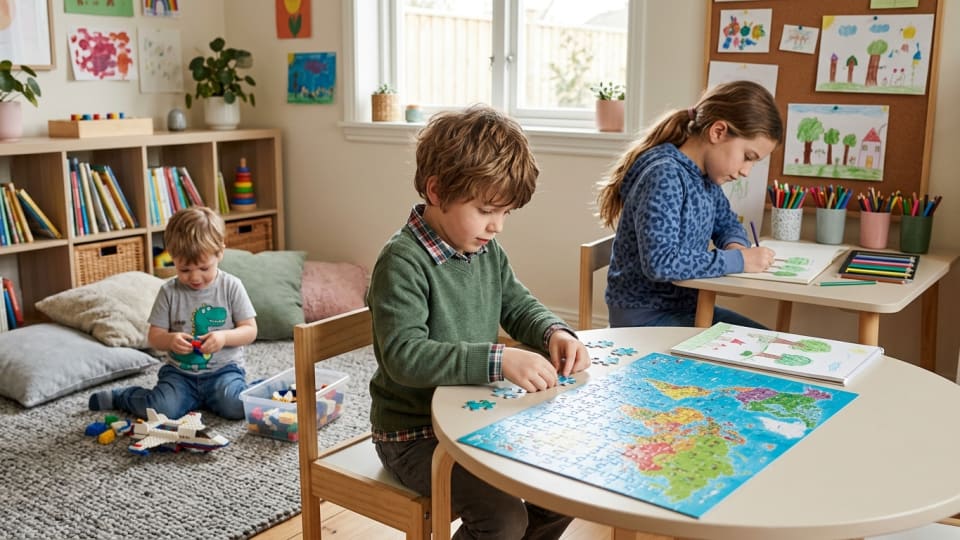
Consider activities that naturally separate children by interest rather than forcing them together. Sometimes parallel play – where children are near each other but engaged in different activities – works better than expecting them to cooperate on shared projects.
3. Teach Simple Conflict Resolution Skills
Rather than swooping in to solve every disagreement, help your children develop their own problem-solving skills. This approach takes patience initially but pays dividends in the long run.
Teach your children a simple framework: “What’s the problem? How do you feel? What are some solutions?” Even young children can learn to articulate their frustrations and brainstorm fixes together.
For instance, if two children want the same toy, guide them through thinking of solutions: “Could you take turns? Could you play with it together? Is there something similar you could use instead?” Let them come up with ideas rather than imposing your own solution.
4. Set Age-Appropriate Expectations
It’s important to remember that sibling harmony looks different depending on the ages involved. A 10-year-old and a 4-year-old won’t interact the same way as two 8-year-olds, and that’s perfectly normal.
For large age gaps, don’t expect the older child to constantly include the younger one. Instead, plan some separate activities and some together time. For closer ages, focus on teaching turn-taking and compromise skills.
Remember that some level of sibling conflict is healthy and normal. Children learn important social skills through these interactions, including negotiation, empathy, and standing up for themselves.
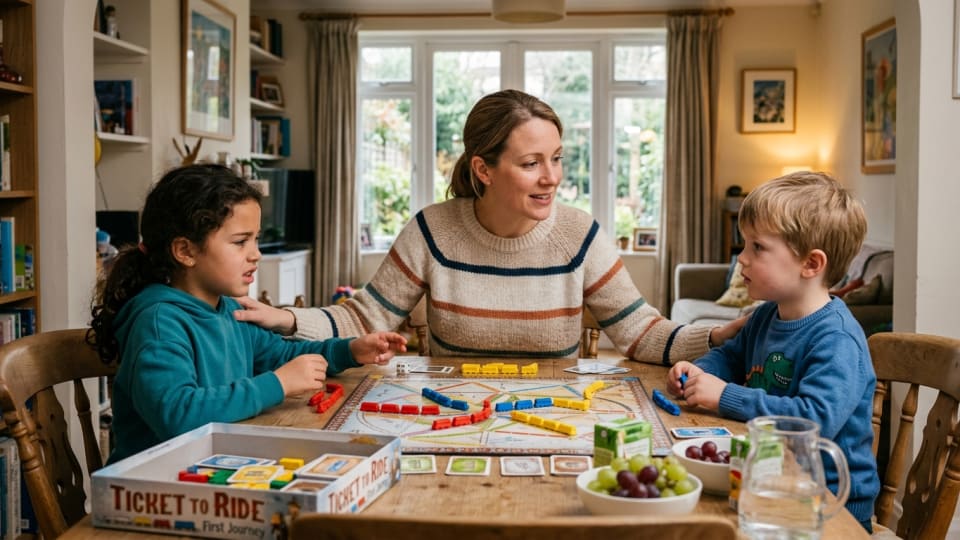
5. Model the Behaviour You Want to See
Children learn more from what they see than what they’re told. If you want your children to speak kindly to each other, make sure you’re speaking kindly to them and to your partner.
When you make a mistake or lose your temper, model how to apologise properly. Show them how to take responsibility and make amends. This teaches children that everyone makes mistakes and that repairing relationships is an important skill.
Also, take care of your own stress levels during intense periods when everyone’s home together more. When parents are calm and centred, children often mirror that energy. If you need a five-minute break to collect yourself, that’s completely understandable and often necessary.
Remember: This Phase Will Pass
Whether you’re dealing with school holidays, recovery from illness, or any other situation that has your children home together more than usual, remember that this is temporary. These periods can actually strengthen sibling bonds if handled with patience and the right strategies.
Some days will be easier than others, and that’s perfectly normal. Focus on progress rather than perfection, and don’t hesitate to adjust your approach based on what works for your particular family dynamic.
The skills your children learn during these intense periods – patience, compromise, and conflict resolution – will serve them well throughout their lives, both with their siblings and in other relationships.